





From daycare research to my grandchild’s life
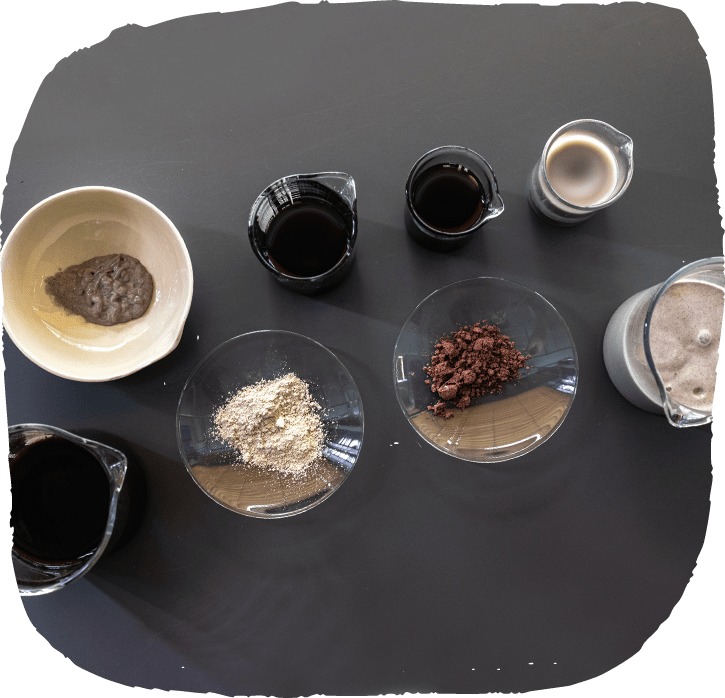
In 2020, a daycare study opened new insights into microbial diversity and immune health. Today, Professor Heikki Hyöty brings that knowledge home, for his own grandchild.
Science shapes the future, but it is always carried forward by people.
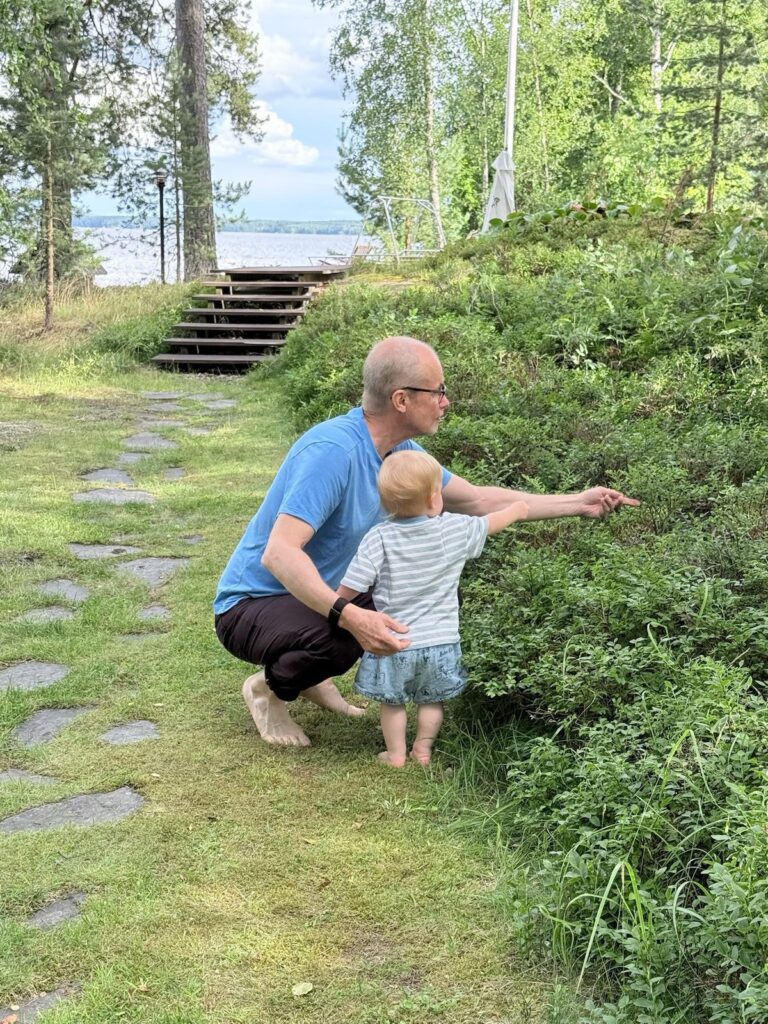
In this conversation we meet one of our co-founders, Heikki Hyöty, a Finnish medical doctor, Professor of Virology and mentor. His career has been dedicated not only to advancing scientific knowledge but also to helping translate it into practice. He is also a grandfather. As his young grandchild grows up in Los Angeles, a global capital of health trends yet a city far removed from the biodiversity-rich environments of Nordic forests and nature, we explore how scientific knowledge becomes part of everyday life.
From family routines to groundbreaking research, this conversation asks a simple question: how can we help children build resilient health in an increasingly urban world?
You have spent decades studying microbes and the immune system. Has becoming a grandfather changed how you apply that knowledge?
Probably all grandparents feel that the birth of a grandchild was one of the biggest events in their life, and I am no exception to that rule. It also opened my eyes to the many differences that newborn children face in different environments: living in Los Angeles is quite different from living in Finland. I realized how close a child’s interaction with the environment really is, and I found myself thinking about how I could use my knowledge to help my grandchild. The most evident was the idea of exposure to natural environmental biodiversity. That is not easy in L.A., one of the world’s largest cities and geographically a huge area covered by asphalt.
What practical advice have you given the family for the first years?
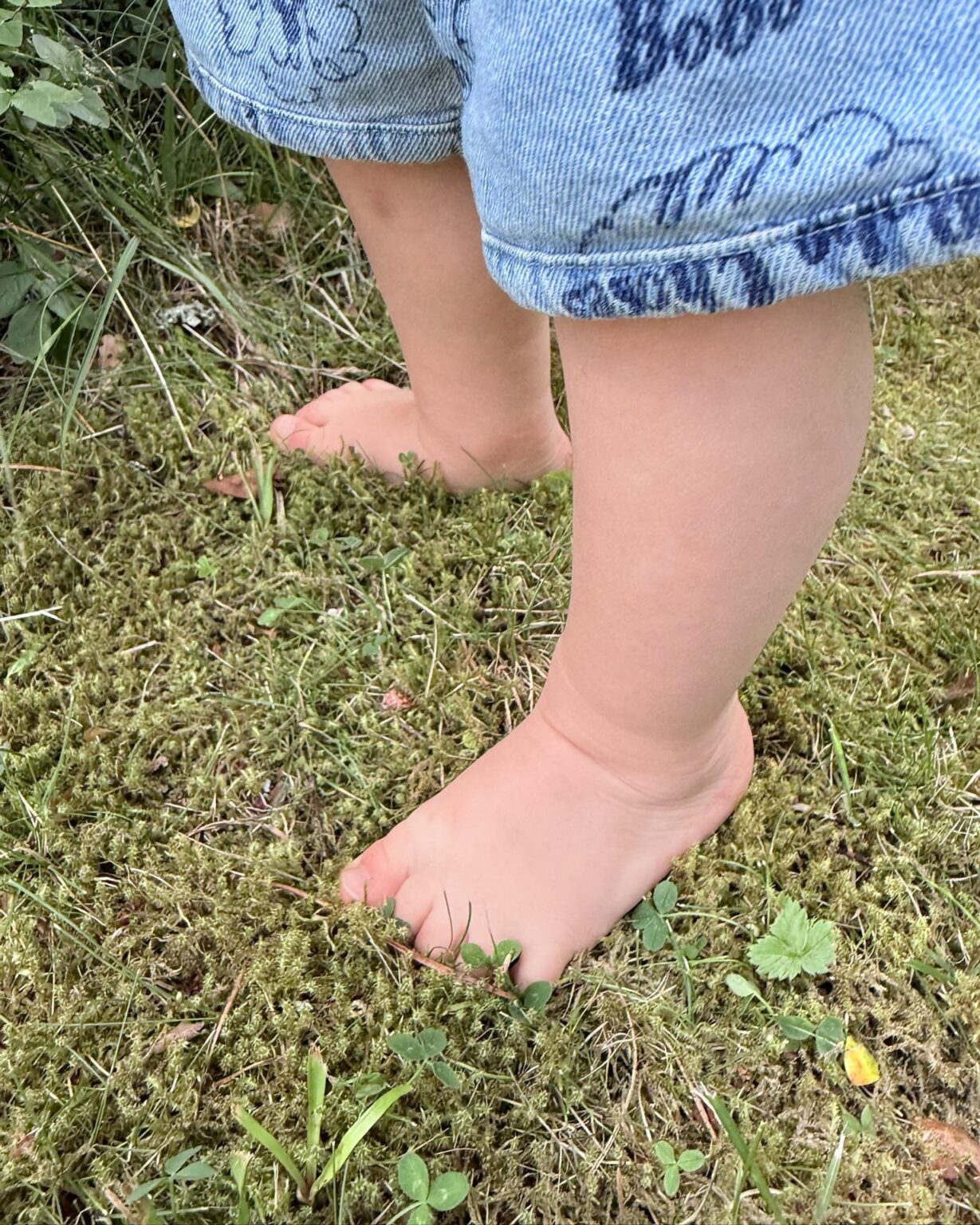
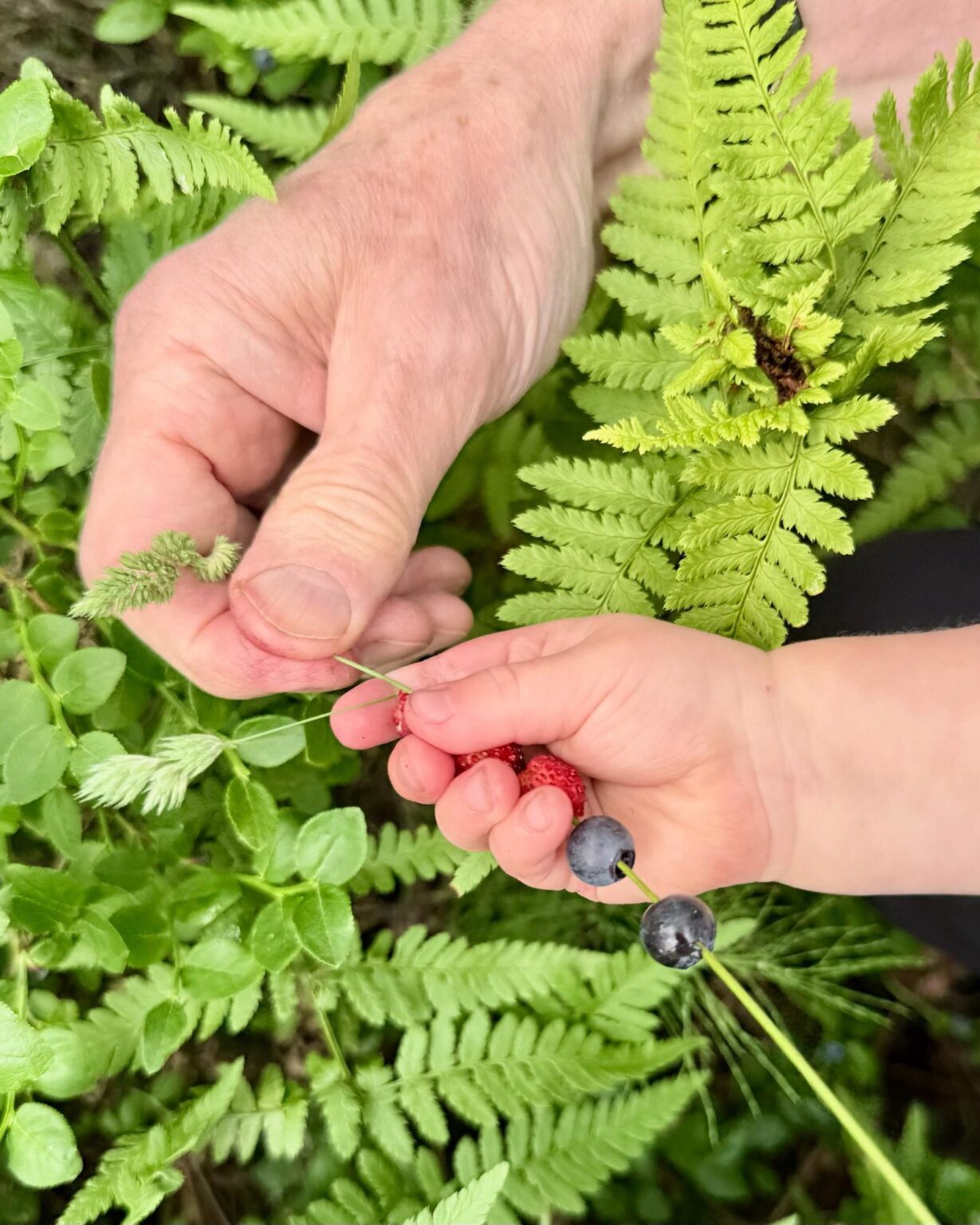
My family knows about my research, and we have discussed many times that exposure to microbiologically rich environments can be important for the health of our immune system. My daughter clearly shares this idea. As a concrete example, we have agreed that whenever my grandchild visits Finland, we will take him to our summer house, which is basically in the middle of the forest. He can walk barefoot in the garden, breathe the forest air, swim in lake water, eat berries from the bushes and do many other things that all expose him naturally to environmental microbial biodiversity.
The father of my grandchild was born in L.A. and is not used to living in this kind of place. I was delighted to see that he immediately adopted the idea and loves to spend time in our summer house. We have also discussed how they could expose the child to microbial biodiversity while living in L.A. They have a dog, which helps. The dog also sleeps in their bed, which increases the exposure further. They hike in the hills around L.A., and they use a skin lotion that contains a biodiversity-rich microbial extract as an active ingredient. As a matter of fact, the whole family uses the same lotion.
These lifestyle changes reflect my influence, and I am glad that we all share the idea. By integrating scientific evidence into their everyday life I feel I can do something concrete to help my grandson, particularly since the family has some atopic tendency.
Many parents focus on nutrition and hygiene. Which less obvious everyday habits build immune resilience?
I think urban living environments are not meant for our immune system. Many people live on the upper floors of large apartment buildings in big cities, eat almost sterile food and are minimally exposed to nature or animals. The immune system of a newborn baby develops during the first years of life, and during those critical years it needs practice to become fit, resilient and well regulated. The lack of this exercise is probably behind the sharp increase in allergies, autoimmune diseases and inflammatory bowel diseases observed over recent decades. We have found, for example, that the immune system is much more active and microbial exposure dramatically more pronounced in children living in Malawi than in children living in Finland, while allergies and other immunological diseases are clearly less common in Malawian children. We should bring this immunological stimulus back into children’s lives in a safe way. That led to the idea of using an extract based on forest soil, which contains high amounts of natural microbes, as a safe and immunologically active natural stimulant.
I would make a distinction here to severe acute infections caused by viruses or bacteria transmitted between humans. It is good to prevent those infections with vaccines and good hygiene. Exposure to nature’s microbial biodiversity is different: it is like living in the countryside, and it is safe, since most environmental microbes are not usually able to infect humans. There is a saying that even dirt is clean in the countryside.
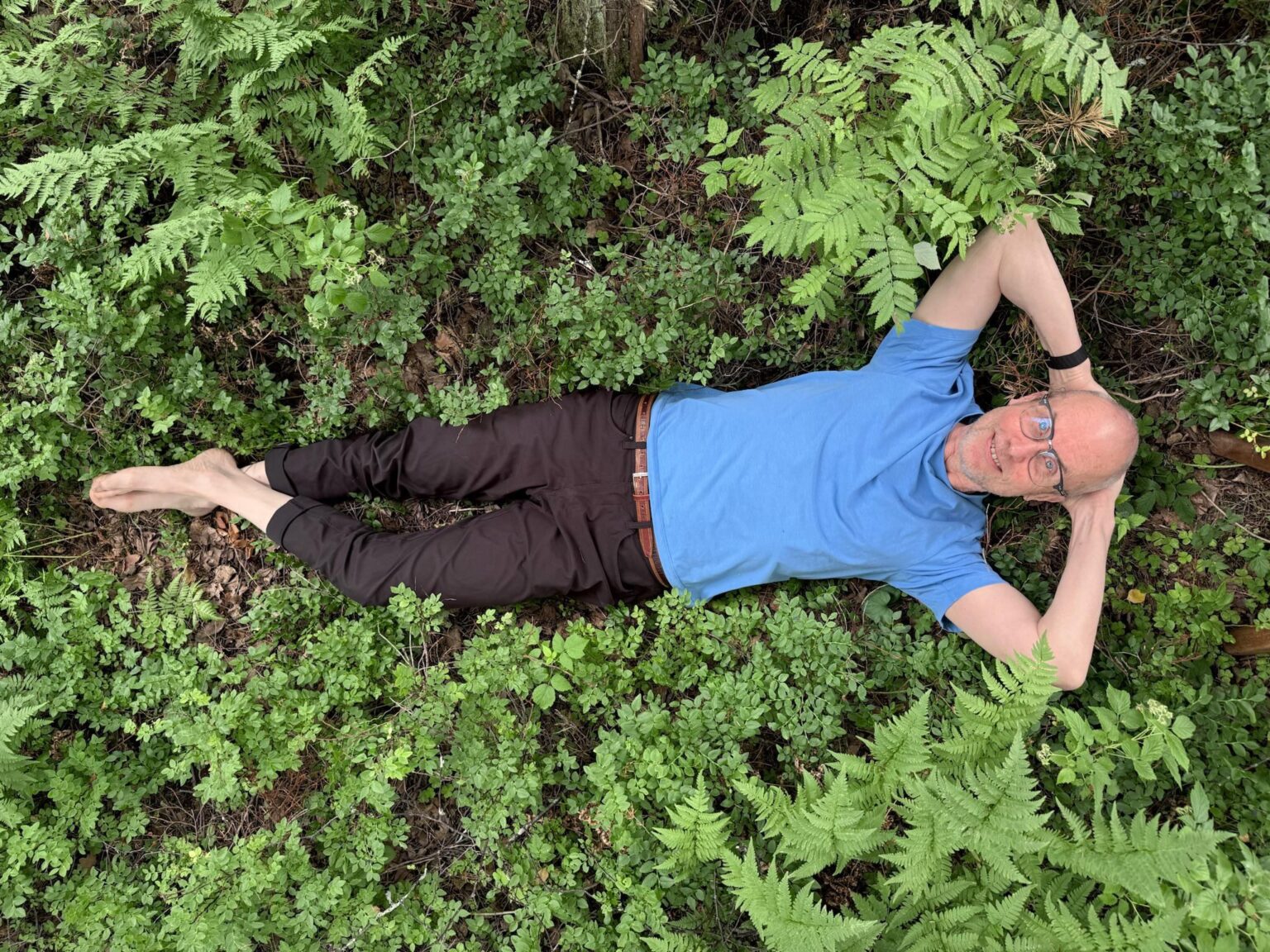
Forest soil is microbiologically one of the richest environments on the planet. Gardening may therefore be good not only for mental health but also for immune health. Eating forest berries and fruit that have not been treated with chemicals brings these microbes to our mucosa, where the immune system can recognize them. I also believe that sterilizing cleaning detergents may not be optimal for homes: they reduce the amount of beneficial bacteria but give no real benefit in return.
There is a saying that even dirt is clean in the countryside.
A landmark Finnish study, published in Science Advances in 2020, showed that enriching daycare playgrounds with forest floor materials and biodiverse vegetation changed children’s microbiome and immune markers in just four weeks. Why has it attracted so much attention, and what can city families learn from it?
There are many reasons for the international attention. One is that the study was a randomized, double-blinded trial carried out to high scientific standards. Studies of this kind are the most powerful way to identify true biological effects. The findings were clear and they have practical consequences: it is not difficult to change playgrounds to increase their biodiversity. Different stakeholders are now interested in developing city environments enriched with nature’s biodiversity, and that change is truly happening. My home city, for example, has built playgrounds that use only natural materials and plants. In Finland you can also buy commercially available sandbox sand that contains a biodiversity extract. Daycare centres where children spend a lot of time in the forest are becoming increasingly popular. These are practical examples of how biodiversity exposure can be enhanced relatively easily among young children living in big cities in the middle of asphalt.
In dense urban environments, access to nature is limited. What are realistic ways to reconnect children with biodiversity?
If the family has the chance, a dog or another furry pet that goes outdoors brings biodiversity indoors, and that is a good way to bring it into a city home. It works better if there are green areas around the home where pets can be in contact with biodiversity. Beyond that:
- hiking trips into nature
- eating forest berries, vegetables and fruit
- using consumer products that contain microbial biodiversity, such as skin lotions, clothing and sandbox sand
- city planning that takes biodiversity exposure into account and increases green areas in big cities
What is the biggest lesson from decades of this research?
Exposure to biodiversity is essential for human beings and for health. The scientific evidence clearly indicates that this exposure trains our immune system to distinguish harmful agents from harmless ones and from the body’s own structures. That distinction is a key determinant of our health. The ongoing loss of biodiversity across the planet reduces our exposure to it, and the dramatic transition from agricultural to urban environments reduces it further. It seems that these changes have contributed to the epidemic of allergic and autoimmune diseases. It also means that increasing biodiversity in our everyday life can be beneficial, and that there are means to make that change.
We are not separate from nature, we are part of its ecosystem. What is the one thing everyone should understand?
We are part of nature, and in evolutionary terms our immune system is built for that close connection. The modern lifestyle has broken the connection. It has helped us get rid of many dangerous infections, but at the same time it has left our immune system weaker and increased the risk of immune-mediated diseases.
Sources
- Daycare playground biodiversity intervention: Roslund et al., Science Advances 2020


