


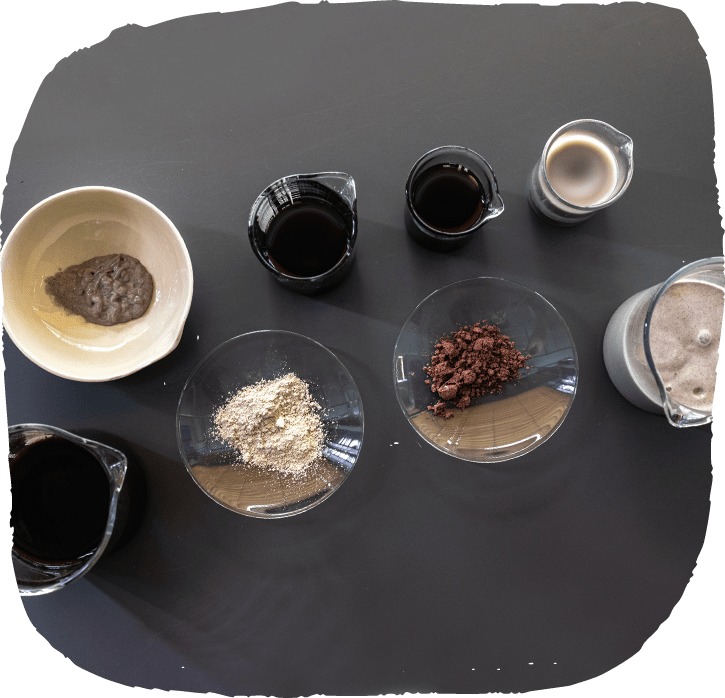



Building the biodiversity economy
Our CEO Kari Sinivuori is known for thinking big. While waiting for a television crew at our factory in Lohja, we talked about where a scientific idea about biodiversity could lead: a new category, new markets and eventually a different way of thinking about healthcare.
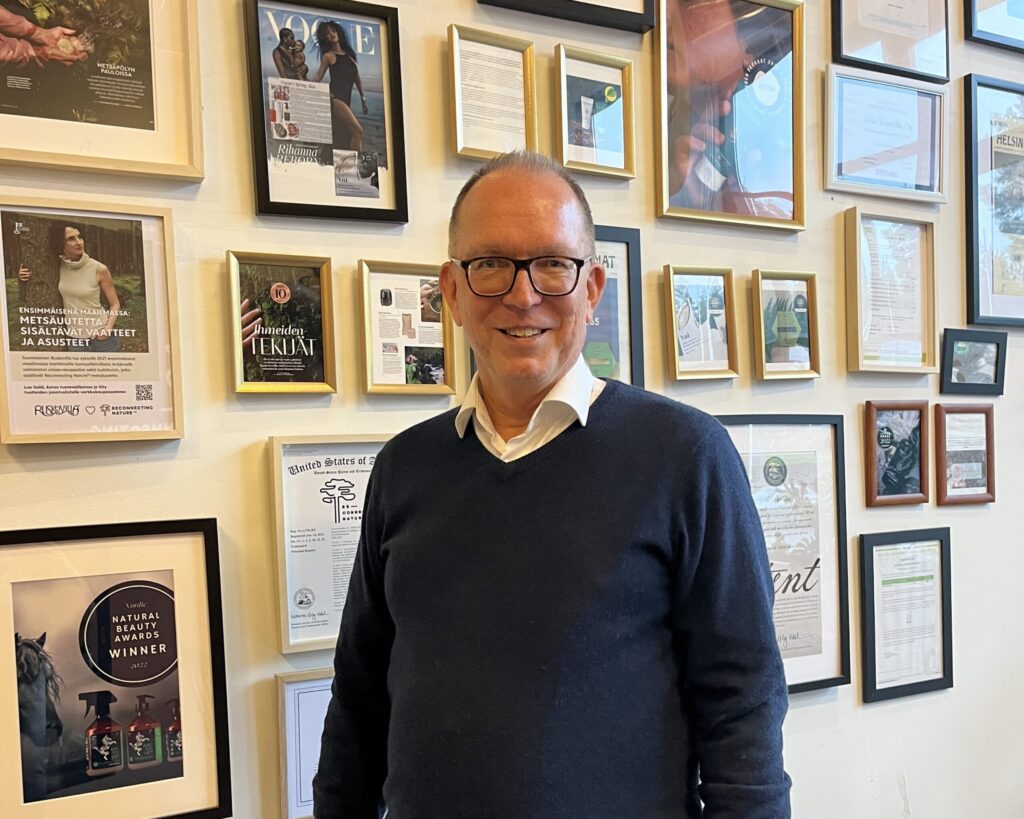
Some people build a company. Others build a category.
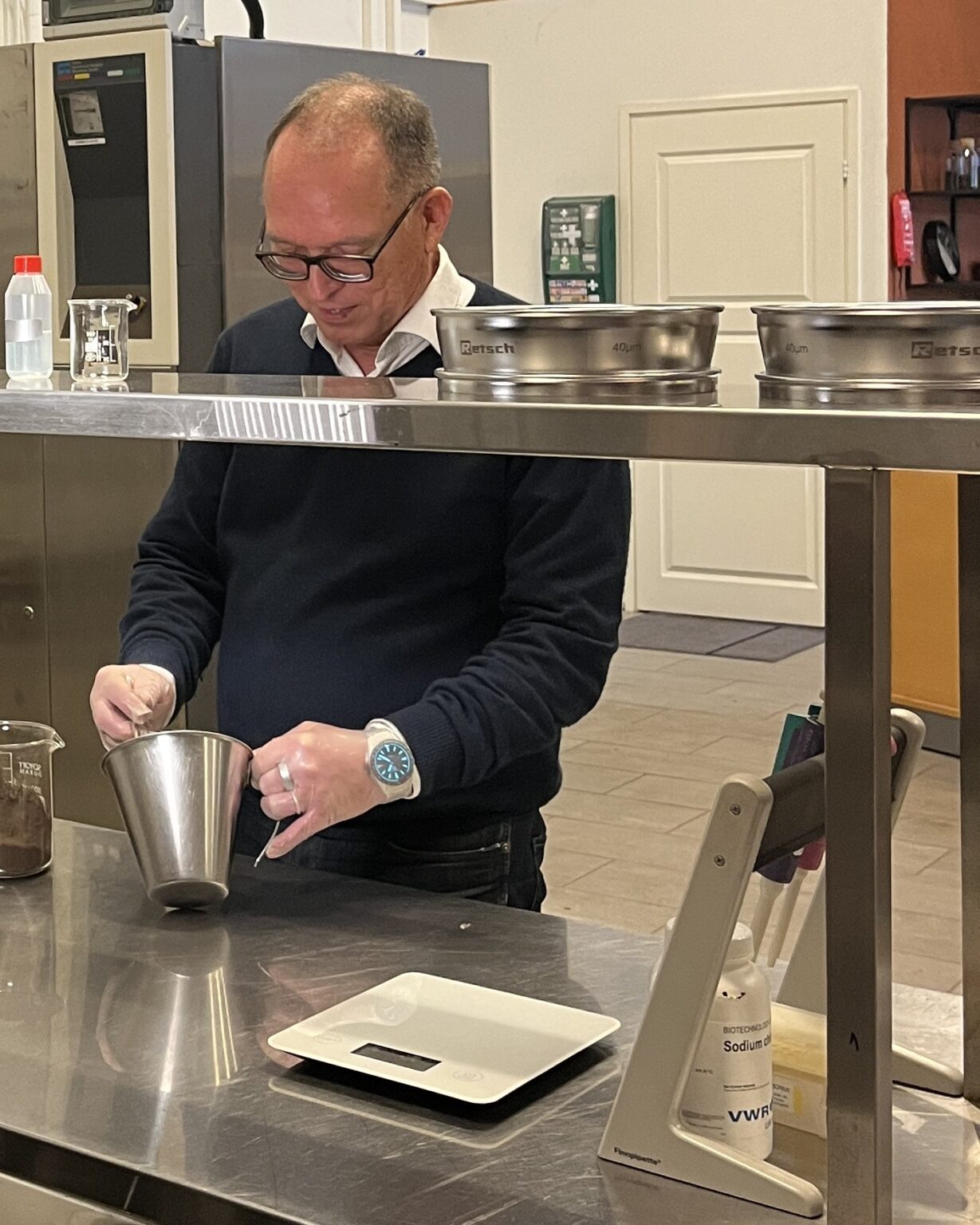
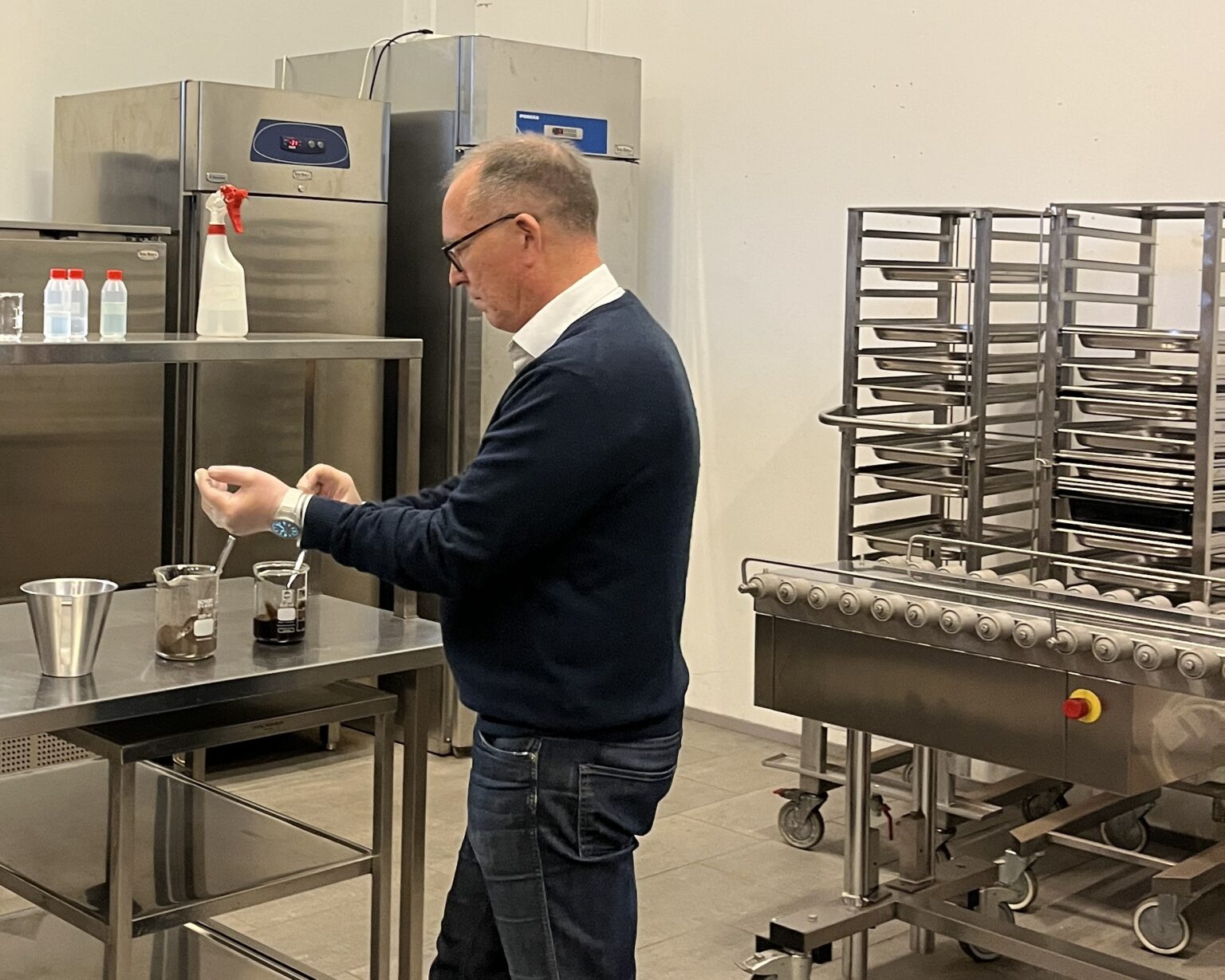
We are at our factory in Lohja with our CEO and co-founder, Kari Sinivuori. Kari is known in our team for thinking big. Sometimes very big, and every now and then the team has a quiet laugh at his visions of where all this could go. But there is something we have learned along the way: if you want to go far, doing is not enough. You also need a view of where you are going.
While we wait for a journalist and a camera crew to arrive, this is a good moment to sit down and explore some of those ideas. Where are we really heading, and what happens when a scientific idea about biodiversity becomes a new category, new markets and perhaps, eventually, a new way of thinking about healthcare?
Why does biodiversity matter so much?
Biodiversity matters because people are part of nature, and nature is diverse. When we remove something from an ecosystem, it affects everything, sometimes more dramatically than we understand.
We have effectively cleaned microbial biodiversity out of our everyday lives, and the effect has been dramatic. We have created an epidemic, even a pandemic, of immune-mediated diseases. Every second person living in a city is already affected, and more than 200 million people live with atopic dermatitis alone.
For a long time, this was just a hypothesis. What do we know now?
We now have evidence. Building on the hygiene hypothesis, several studies have shown that a lack of exposure to microbial diversity is associated with people getting sick. The next question is whether this can be reversed: can we reconnect people with nature, for example by bringing microbial diversity from nature into everyday consumer products?
Our research has shown benefits for people with atopic dermatitis, one of the world’s most common immune-mediated diseases. There are also several studies on kindergarten children, where modifying regular playgrounds produced fast positive changes.
And there is the opposite direction. In two very different places, Finland and California, the incidence of type 1 diabetes rose during Covid. One change shared by both was even lower exposure to environmental microbes, together with the intensive use of sanitizers.
Why does Finland have a particular opportunity here?
Finland has led the research in this field since the 1990s, and since around 2020 we have started to see the commercial side develop.
Several companies now export products containing our Re-Connecting Nature™ microbial extract, and the extract itself is manufactured here in Finland and exported directly to more than a dozen countries. We also collaborate with renowned universities and institutions, including University College London and the Royal College of Art.
So the research, the technology, the manufacturing and the emerging ecosystem are all here.
You often use the term “biodiversity-rich”. What does that mean commercially?
We believe a new biodiversity-rich category is emerging, and with our team we are building it around products that bring microbial biodiversity back into everyday life. We are protected by strong patents and by growing brand recognition.
When the problem is fully recognized, we believe biodiversity-rich products can become mainstream, in the same way that vitamin D-enriched dairy products gradually replaced regular milk in the Nordic countries.
What is actually stopping this from happening already?
The biggest barrier is not technology. It is thinking.
We already have a solution to one of the biggest problems in the world, and that problem has not yet been fully recognized. More organizations are beginning to see the importance of biodiversity for health. Even the European Space Agency is looking at this question.
The science is moving. The mindset needs to catch up. And this needs to be communicated to the public, so that people start to ask for solutions from the companies producing fast-moving consumer goods.
So where could this ultimately lead?
Our vision is life without immune-mediated diseases. That would be a dramatic change for healthcare, for healthcare costs and for longevity.
The direct healthcare cost of autoimmune diseases in Europe is estimated at about 60 billion euros a year. Allergies are not included in that group, and they are estimated to cost even more, around 100 billion euros.
But this is only money. There is also quality of life, and life expectancy. In Finland, type 1 diabetes is expected to cut around ten years from a person’s life expectancy.
Today we mostly treat the consequences. What if, in the future, we could influence the underlying environmental factors that contribute to disease?
We are getting close to launching our first solution for the pharmaceutical market.
And why does this particular moment matter?
Because we are getting close to our first solution for the pharmaceutical market.
Atopic dermatitis is a very large market, and molecules targeting this disease can already be worth billions at the stage where we are now. But our approach is unconventional, which gives us a heavier burden of proof. We are happy to take on that challenge, because we already have strong initial results.
We are still waiting for the television crew. What do you think they are actually coming to film?
Maybe they think they are coming to film a Finnish ingredient, or a typical biotech company.
But I hope they come to see something bigger: a new way of thinking about the relationship between biodiversity and human health. Because ultimately this is not about one ingredient. It is about reconnecting people with nature, and perhaps changing what we consider normal in everyday products, and eventually in healthcare.
Sources
- Direct healthcare cost of autoimmune diseases in Europe: PubMed 36804193
- Estimated cost of allergies in Europe: PubMed 24965386
- Life expectancy in type 1 diabetes: PMC8333173


